

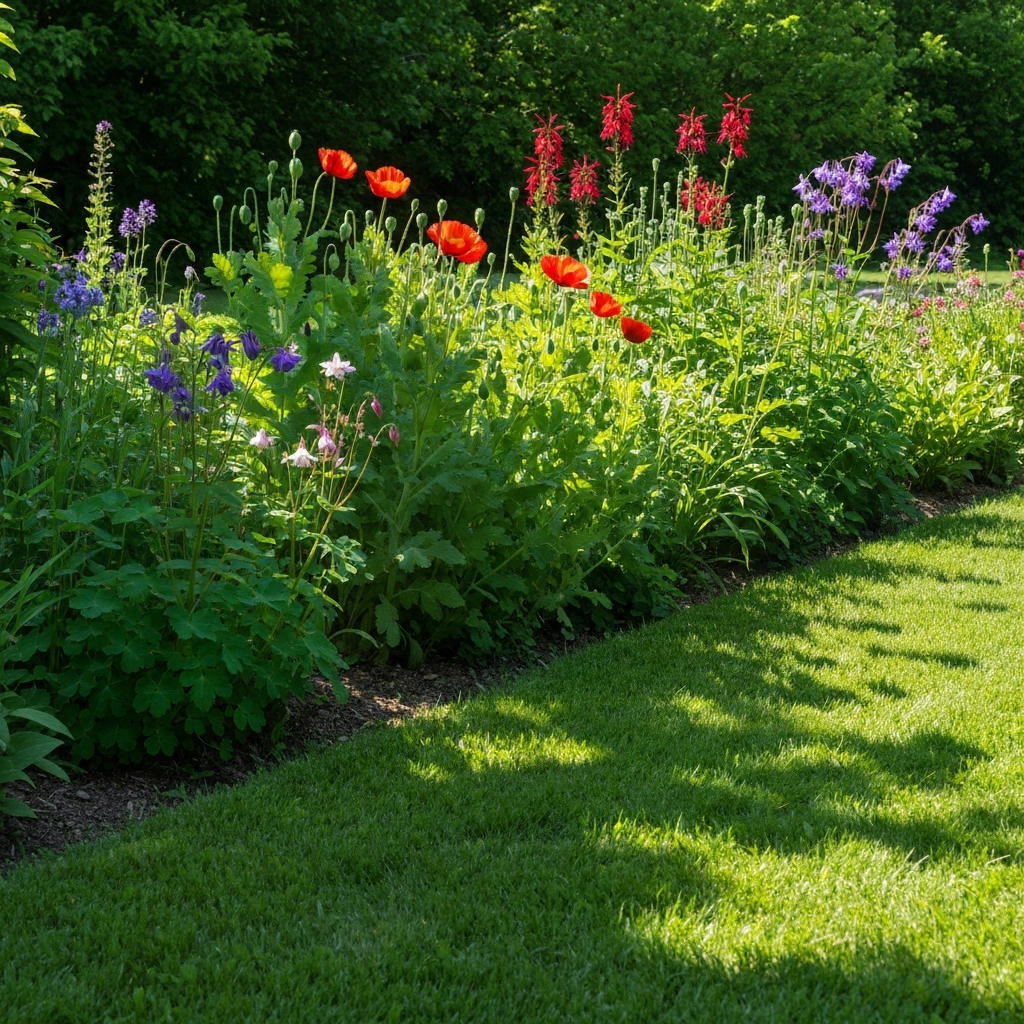
Incorporating native plants into your landscape offers numerous benefits, from supporting local wildlife to reducing maintenance efforts. Missouri’s native flora is well-adapted to the state’s climate and soil conditions, making them an excellent choice for gardeners in Independence.
Why Choose Native Plants?
Native plants have evolved over thousands of years to thrive in Missouri’s environment. They require less water and are more resistant to local pests and diseases compared to non-native species. Additionally, they provide essential habitats and food sources for local wildlife, including birds, butterflies, and pollinators.
Top Native Plants for Independence Gardens
1. Celandine Poppy (Stylophorum diphyllum)
Ideal for shaded areas, the celandine poppy produces vibrant yellow flowers from March to May. It prefers humus-rich soil and may go dormant in the summer if the soil dries out or if exposed to afternoon sun.
2. Cardinal Flower (Lobelia cardinalis)
Thriving in moist, shaded environments, the cardinal flower blooms with striking red flowers from July to October. It attracts hummingbirds and butterflies, adding dynamic wildlife activity to your garden.
3. Columbine (Aquilegia canadensis)
Found on limestone or dolomite ledges in the Ozarks, columbine inhabits moist woodlands and other habitats elsewhere in the state. It features unique, bell-shaped flowers that bloom in spring, providing nectar for hummingbirds and bees.
Getting Started with Native Landscaping
Begin by assessing your garden’s conditions, such as sunlight exposure, soil type, and moisture levels. Choose native plants that match these conditions to ensure their success. The Missouri Department of Conservation offers resources and guidance on selecting and cultivating native plants suitable for various landscapes.
By integrating native plants into your garden, you contribute to the preservation of Missouri’s natural heritage while creating a beautiful and sustainable landscape in Independence.