

Independence, Missouri, is experiencing a dynamic economic period marked by significant investments and persistent challenges. This article provides an overview of recent developments shaping the city’s business environment.
Major Investments and Developments
Hyperscale AI Data Center
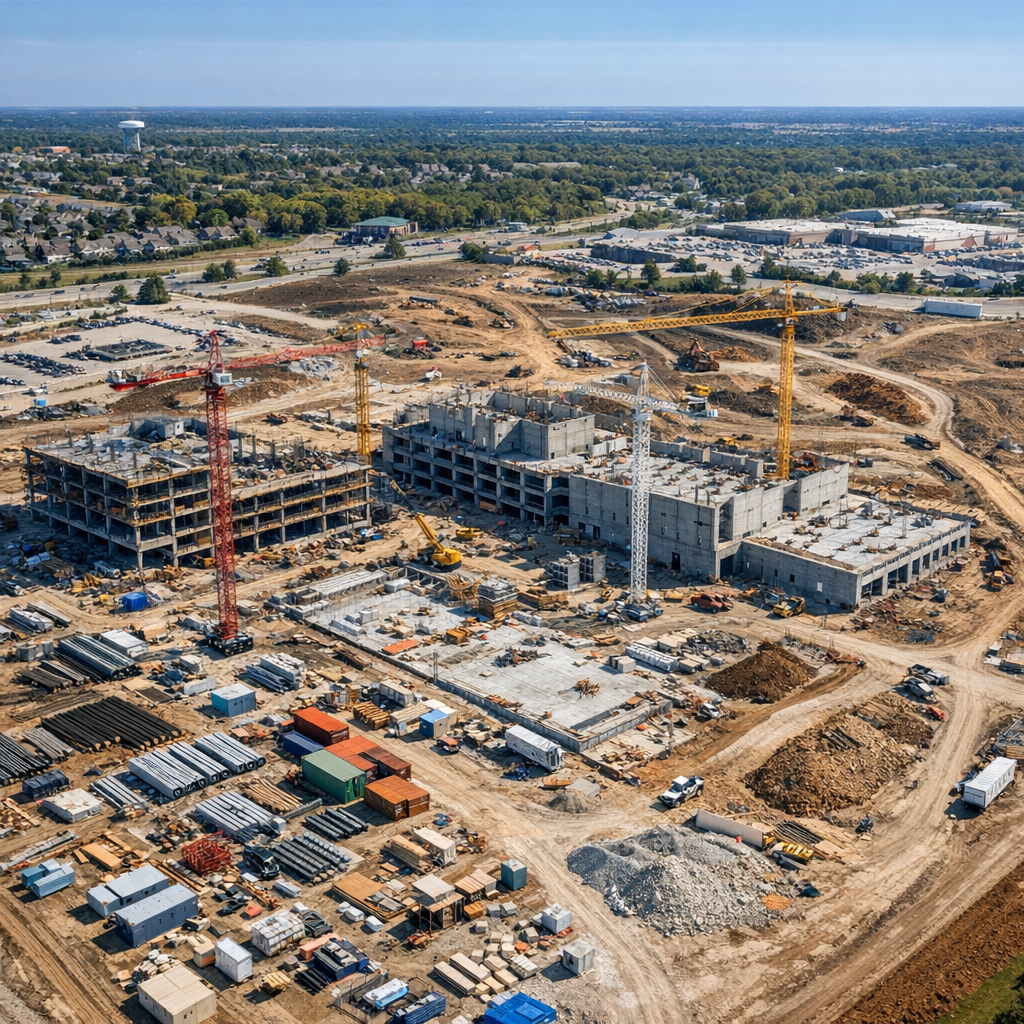
In May 2026, Dutch company Nebius commenced construction on a hyperscale AI data center off Bly Road in northeastern Independence. The $150 billion project is set to be approximately twice the size of Arrowhead Stadium and will draw energy from the nearby Blue Valley Power Plant, which is being reopened to support the facility. The data center has been granted substantial tax incentives, including over $6 billion in tax breaks, encompassing 90-98% discounts on property and materials taxes.
Wally’s Travel Plaza
In April 2026, Wally’s, a Midwestern chain of large travel plazas, broke ground on a new 50,000-square-foot location at the intersection of I-70 and Noland Road. The $40 million project will feature 80 fuel pumps, 20 high-speed electric vehicle chargers, and is expected to create 175-200 new jobs. This development aims to revitalize an area that had previously experienced economic decline.
Economic Indicators
Population and Income
As of 2026, Independence’s population is projected to be 123,676, reflecting a steady growth rate of 0.8% annually. The median household income stands at $60,339, with approximately 12.1% of families living in poverty. The median age of residents is 39 years.
Housing Market
The housing market in Independence has seen modest growth. As of November 2025, the average home value was $201,633, marking a 1.9% increase over the past year. Homes typically go to pending status in around 16 days, indicating a relatively active market.
Challenges and Community Response
Tax Incentives and Public Opinion
The substantial tax incentives granted to the Nebius data center have sparked debate among residents. While proponents argue that the project will bring significant economic benefits, opponents are concerned about the long-term impact of the tax breaks on the city’s revenue. In April 2026, two city council members who supported the tax abatements were voted out of office, reflecting the community’s divided stance on the issue.
Retail Sector Struggles
Independence’s retail sector faces challenges, with several stores closing in a prominent shopping center. To address this, the city has created a new sales-tax district around the struggling area, aiming to attract new businesses and revitalize the space.
Conclusion
Independence’s economic landscape is characterized by significant investments that promise growth and revitalization. However, these developments come with challenges, including debates over tax incentives and efforts to rejuvenate the retail sector. As the city navigates these changes, the community’s engagement and response will play a crucial role in shaping its economic future.